
For nearly a decade, the Center for Large Landscape Conservation has advanced solutions for habitat connectivity and conservation in the Appalachian region, championing a large-landscape approach that addresses the entire ecoregion, from Alabama to the eastern Canadian provinces.
April 30, 2026
When people think about the Appalachians, they picture mountains. I think about a rich landscape of mountains and valleys woven together by rivers so old that the mountains rose up around them. It’s this mix that creates the sweeping views we love, from the Blue RidgeParkway to the hills just beyond our back yards. But the Appalachians are so much more than breathtaking scenery. They form the backbone of a region that’s essential for the well-being of people and wildlife alike.
The northern reaches of the Appalachians are home to the largest intact broad-leaf forest in theworld. In my neck of the woods in West Virginia, we have high elevation bogs like CranberryGlades and the Dolly Sods Wilderness, which you won’t find again until you’re all the way up inCanada. You’ll find two of the oldest rivers in the world, the New River and the French Broad River. This unique geography makes the region one of the most ecologically rich places on Earth.
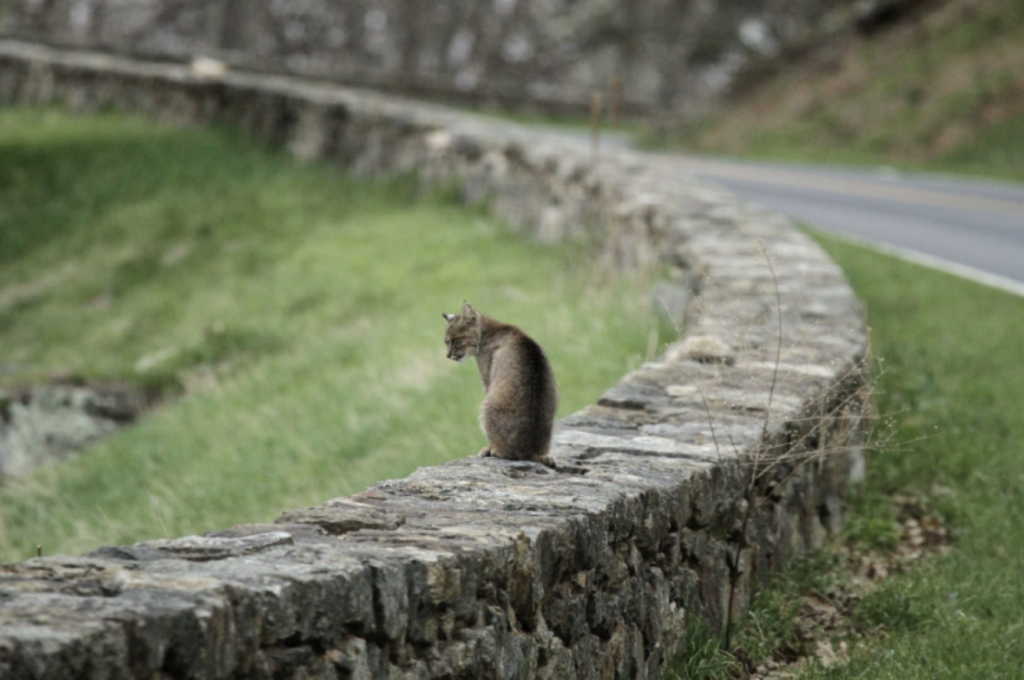
Not surprisingly, we have amazing wildlife, too. Elk, black bears, bobcats, and hellbenders are
iconic, but the Appalachians are also a global hotspot for salamanders and freshwater mussels.
This landscape is remarkably beautiful and globally significant for its biodiversity.
Animals Are on the Move
Wildlife are on the move across the Appalachians, and this movement is a vital part of functional landscapes that provide all the benefits people rely on, like fish and game to eat, clean water to drink, protection from floods, and the many outdoor recreation opportunities we enjoy.
The Appalachians may not have big game migrations that are as well-known as the pronghorn
and mule deer migrations of the West, but we have a diversity of wildlife that must be able to
move freely through the landscape throughout their life cycles. Deer move daily between areas
where they forage and where they sleep. The spotted salamander wakes from winter dormancy
and migrates up to a quarter mile to vernal pools to reproduce. Right now, millions of birds are
migrating north through the region on their way to summer breeding grounds, as black bears are
emerging from their hibernation and spreading out across the landscape.
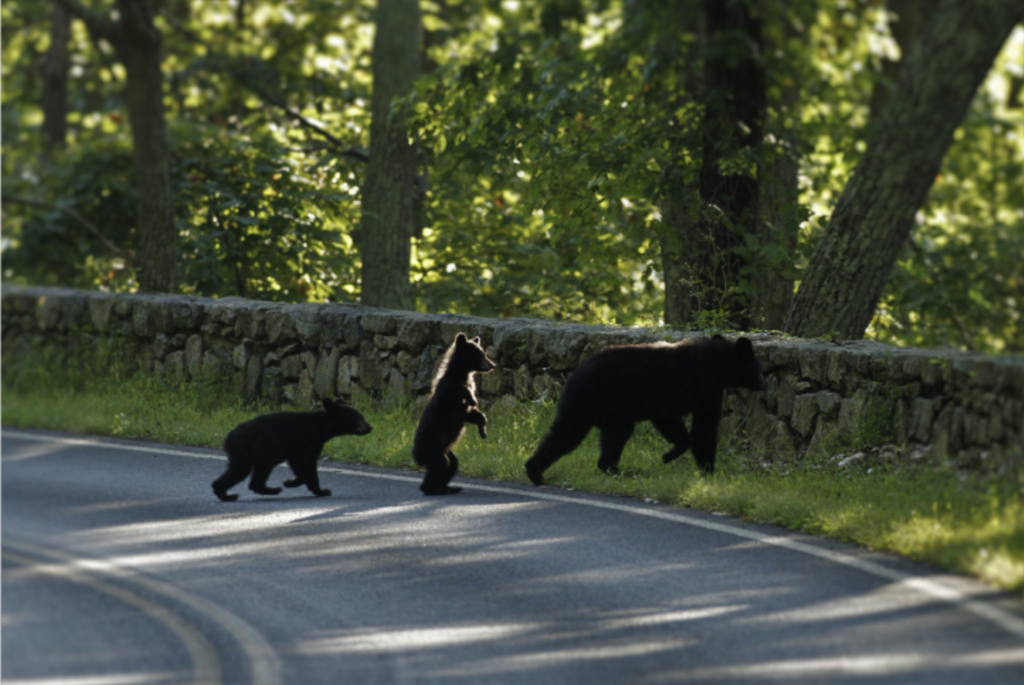
Credit: NPS | D. Machado
Climate change is also forcing animals to move. As the climate changes, habitat is shifting and wildlife are generally moving north or to higher elevations in search of suitable climates. In the eastern U.S., some species ranges have already shifted nearly 30 miles since the 1980s.(1)
The Appalachian Mountains are nature’s highway, allowing wildlife to move and adapt now and
into the future.
In order to maintain wildlife movement, we need to conserve large, connected areas of habitat.
Protecting expansive landscapes helps ensure there is enough habitat to sustain wildlife
throughout every stage of their life cycle, through seasons of drought or extreme storms, and
long-term climate change. These areas must be connected in a network that allows animals to
move freely in search of food, shelter, and one another.
Where Wildlife and Roads Collide
People are on the move too, and we use roads to do that. Roads are also where our
movements collide with animal movements.
Collisions with wildlife are extremely dangerous. Each year in the U.S., 1- 2 million wildlife-vehicle collisions occur resulting in 200 human deaths and 28,000 injuries. In the Appalachians,
the risk is especially high. Every state in the region is ranked as high- or medium-risk for collisions and West Virginia, Pennsylvania, and Virginia are among the top ten states for wildlife-vehicle collisions. (2)
These wildlife-vehicle collisions are also expensive. The cumulative cost is estimated to be $10
billion dollars in economic impacts. (2) On average, a collision with a deer will have a total cost
of $19,000. This includes all costs associated with the collisions, such as medical, vehicle
repair, and lost wages paid by the driver, as well as the state paying for carcass removal or first
responders. If you hit one of Central Appalachia’s growing elk herd, that will incur an average
cost of about $75,000! (3)
Even if you never hit an animal on the road, you will pay as insurance companies pass the high
costs of these collisions to their policyholders. (4)
For wildlife, the impacts are just as severe. Roads fragment and disconnect habitats, preventing
wildlife from moving freely by serving as a direct barrier if the traffic volume is high enough.
Millions of animals are hit by vehicles each year and hundreds of thousands are killed in vehicle
collisions. And the impacts are not just to terrestrial species. Poorly designed river and stream
crossings, such as undersized culverts under roads, block the movement of fish, salamanders,
and other aquatic animals impacting the health of these species across the region.
The Path to Safer, Connected Landscapes
The good news is that lots of work is already being done to implement solutions to increasing
fragmentation and loss of connectivity within the Appalachians.
Across the region, states are working to conserve large, connected landscapes and reduce
wildlife-vehicle collisions. Vermont’s Conservation Design is guiding the state’s efforts to ensure
enough of the landscape is conserved to support its wildlife and provide nature’s benefits to its
residents. Virginia’s Wildlife Corridor Action Plan is guiding efforts to protect vital wildlife habitat
corridors and reduce wildlife-vehicle conflicts.
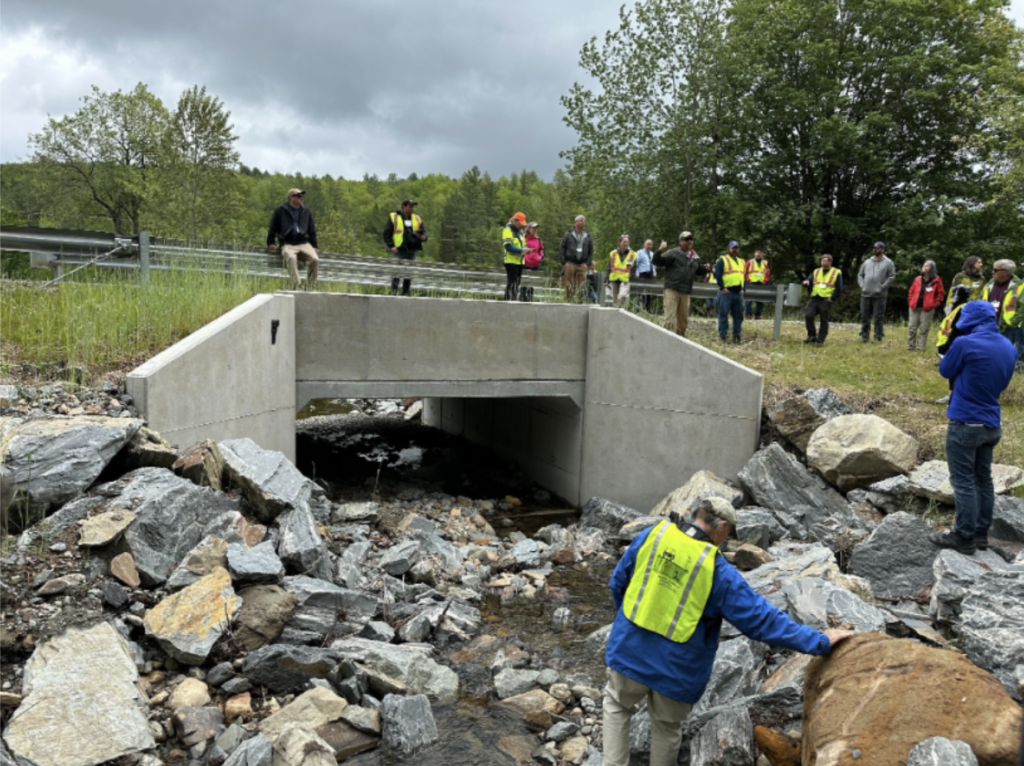
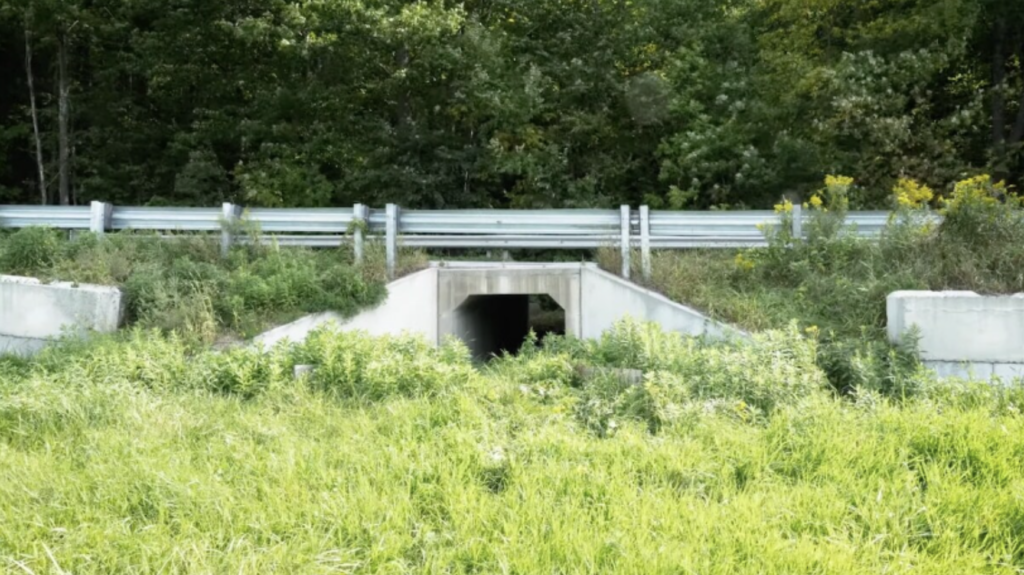
Wildlife crossing structures such as overpasses and underpasses allow wildlife to move over or under roads, and uninterrupted through streams and rivers. Virginia built its first wildlife crossing structure in 2005 and Pennsylvania has constructed 33 crossings. The structures are effective,
reducing wildlife-vehicle collisions from 80 to 97%. These structures can pay for themselves. One project in Virginia upgraded transportation infrastructure to be more wildlife friendly and the investment paid for itself within two years by reducing costly collisions. (5)

Properly designed culverts, ones that mimic natural stream bottoms and allow animals to move through them, are less susceptible to flood damage and debris blockage making culverts and stream crossings more resilient to flooding. (6)
Nine Appalachian states received grants from the Federal Highway Administration’s Wildlife Crossings Pilot Program, a five-year, $350-million grant program established in 2021 by the Infrastructure Investment and Jobs Act, to conduct assessments, develop plans that reduce
wildlife-vehicle collisions, and build wildlife crossing structures. (7)
The current Wildlife Crossing Pilot Program will end after this year, but bipartisan legislation to
permanently authorize this program was introduced in both houses of Congress at the end of
last year (H.R. 6078, S. 3503, S. 3556).
Many Appalachian states are considering or have already passed their own landscape connectivity and wildlife corridor legislation to plan for, pay for, and implement landscape conservation. Virginia legislators introduced a bill that would establish tax on data centers and use the revenue for landscape conservation, including implementing the Virginia Wildlife Corridor Action Plan.
There are pathways to conserving and connecting our landscape to ensure wildlife safely move and communities benefit. These pathways will require continued actions at the federal, state, and local levels.
Protecting What Protects Us
The same landscapes that define the Appalachians also sustain the people who call it home.
We need to conserve this landscape to help sustain our wildlife, but we also must do it to have
cleaner air and water, safer roads, and more resilience to climate change. When we keep
Appalachia connected, we’re not just protecting nature, we’re protecting ourselves.
Photos: