
July 16, 2026
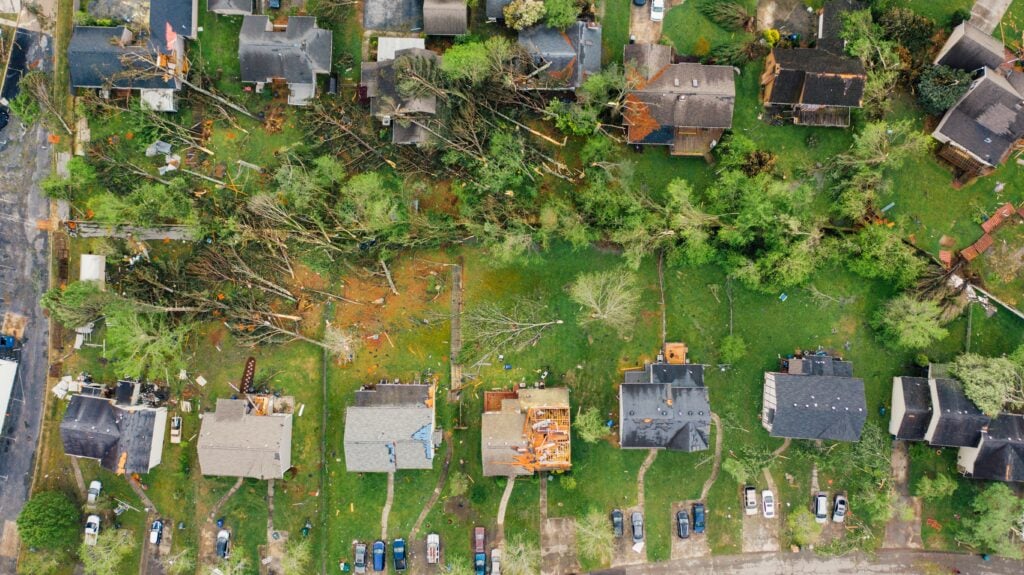
Over the Fourth of July holiday weekend, the Eastern United States was dominated by a brutal heat wave, with many parts of the Mid-Atlantic reaching all-time high temperatures. Over 165 million Americans in the Midwest and East were at risk of either “major” or “extreme” heat-related health issues, prompting major cities such as Philadelphia and Washington, D.C. to cancel their parades and festivities. On July 3 rd , Central Park in New York City reached 100 degrees – their first triple-digit high temperature in almost fourteen years. As I write this post from my living room in Columbus, Ohio, another dangerous heat dome is forming off to the west, with temperatures expected to exceed 100 degrees later this week. Many cities in the Midwest may also set new high temperatures for the year, with Minneapolis and Chicago already reaching 92 and 95 degrees in previous weeks. The climate crisis is here, and with it
comes dangerous extreme heat.
July is also Disability Pride Month, a time to celebrate and honor the history, culture, and
achievements of the disabled community while advocating for their broader societal inclusion.
As we approach the 36 th anniversary of the Americans with Disabilities Act (ADA) on July 26 th ,
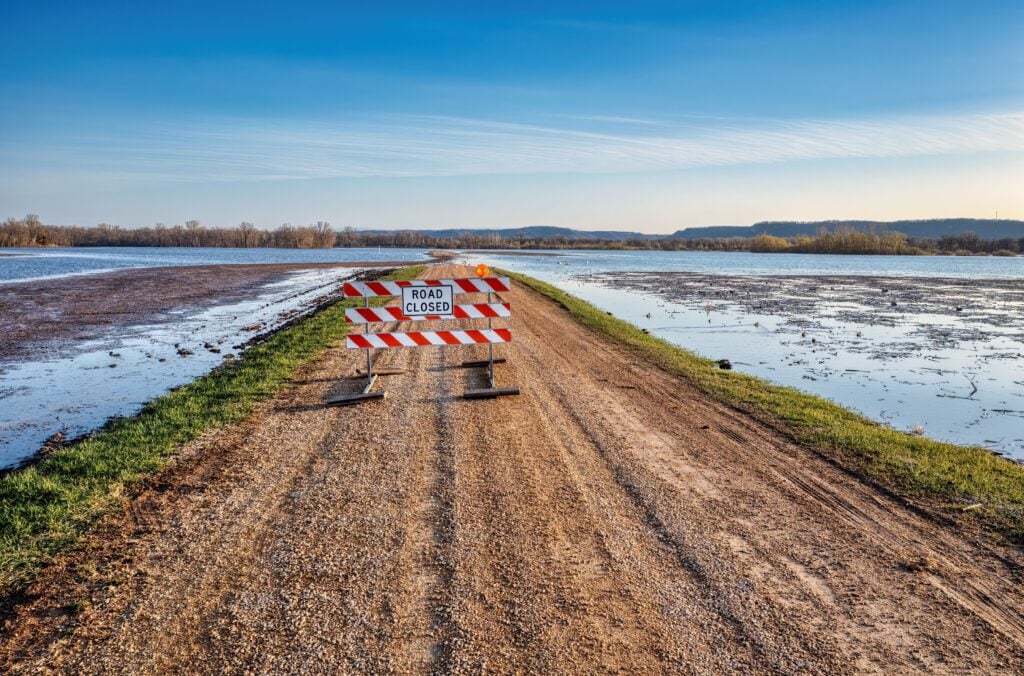
it is also an opportune time to ask how prepared the United States is for protecting disabled folks
during flooding and extreme heat events. As someone who identifies as gay and has Single-Sided
Deafness (SSD), and as a researcher who studies climate vulnerability, disaster preparedness, and
just transition among queer and disabled communities in Ohio and the broader Appalachian region, I’ve spent a majority of my PhD looking at how socially marginalized communities are at
greater risk during disasters.
What New Research Tells Us
In the Fall of 2024, the Rainbow Resilience Research Group at The Ohio State University –
comprised of myself, 4 faculty, a PhD student, and an undergraduate student – launched a survey
to nearly 900 LGBTQIA+ Ohioans asking questions related to exposure to climate-related
hazards such as extreme heat and flooding, as well as questions related to health outcomes
resulting from exposure to those hazards. What we found was striking.
Nearly 1 in 3 LGBTQIA+ survey respondents experienced extreme heat they were unable to find
relief from in the past five years, and 2 in 3 respondents had negative health experiences due to
extreme heat. My co-authors and I also found that transgender respondents had both high
exposure to flooding and extreme heat experiences and high vulnerability through negative
health outcomes associated with extreme heat and flooding exposures. Compared to cisgender
men, transgender respondents had 2.2 times the odds of experiencing displacement or damage to
their home or property due to flooding, 2.1 times the odds of experiencing extreme heat that they
were unable to find relief from, and 3.8 times the odds of having negative health experiences due
to extreme heat. Related to disability, respondents with both mental and physical disabilities also
had greater odds of experiencing negative health outcomes due to flooding.
These findings are not merely statistics, as they reflect the lived experiences of both queer and
disabled Ohioans before, during, and after climate-related disasters.
When Disability and Queerness Overlap
Diving deeper into survey findings, I led a follow-up study specifically looking at the
intersectional vulnerabilities faced by transgender, nonbinary, and genderqueer Ohioans during
extreme weather events, with particular attention to how disability status is associated with these
vulnerabilities. We found that disabled transgender individuals experience an elevated likelihood
of adverse mental and physical health impacts from flooding and extreme heat and perceive
barriers to accessing disaster services due to fear of discrimination or violence. Disabled
nonbinary respondents were 2.6 times more likely to experience flood-related mental health
stress, while disabled transgender respondents were 5.7 times more likely.
Related to extreme heat, disabled nonbinary and disabled transgender respondents were
associated with 3.4 times and 2.9 times greater likelihood of mental health stress. Associations
were also evident related to physical health outcomes, particularly in the context of extreme heat,
as disabled nonbinary and disabled transgender respondents were associated with 2.3- and 3.2-
times higher odds of experiencing heat stress. Disabled transgender respondents were also
associated with 14.2 times greater odds of anticipating restricted disaster service access in the
future due to fear of discrimination or violence.
As someone who identifies as both LGBTQIA+ and disabled, these statistics land differently
than typical data points. They describe the many thoughts that I and other queer and disabled
individuals have related to extreme weather: When a heatwave, flood, tornado, hurricane, or
earthquake occurs, am I prepared? Who in my community do I turn to for help? Will this shelter,
this clinic, or this emergency line actually see me and understand my unique experiences?
Dreaming Past Survival
These uneasy thoughts do not need to be a reality. Our Rainbow Resilience Research group is
imagining more inclusive disaster planning focused on access for queer and disabled folks.
Related to disability, this could mean pairing emergency sirens and alerts with visual and text-
based warnings, so that no one must rely on sound alone to know that danger is approaching. It
could also mean mapping evacuation routes that are navigable for wheelchair users and people
with mobility disabilities, as well as making sure that emergency shelters are equipped with
backup power for medical equipment such as oxygen containers, CPAP machines, and
refrigerated medications. Related to gender identity, this could mean transgender-inclusive
training for disaster relief organizations and staff, which covers pronoun use, privacy needs, and
mental health support. Medical staff in emergency shelters could also benefit from education on
both disabled and transgender patients’ unique health care needs and better consider how
extreme weather and disasters may impact these populations more acutely compared to the
general population. And lastly, it could mean advocating for further anti-discrimination laws for
LGBTQIA+ and disabled individuals and seeking their direct input when designing disaster and
recovery plans.
As current Board Chair of OUT for Sustainability, a queer-led and volunteer-run nonprofit that
provides a platform for climate resilience and environmental justice by and for LGBTQIA+
communities, we are currently designing disaster preparedness guides with queer folks
specifically at top of mind. This Disability Pride Month, I am holding onto a larger vision: one
where surviving the next disaster is not a matter of a luck, and where emergency management
systems and disaster plans made to protect us actually protect all of us.
Read Brandon’s research papers here:
Paper 1:
Paper 2: