
November 5, 2026
Appalachian Ohio is full of creativity, culture, and community pride. From festivals that bring people downtown to artists transforming local spaces, these efforts demonstrate how culture can strengthen communities and support their long-term vitality.
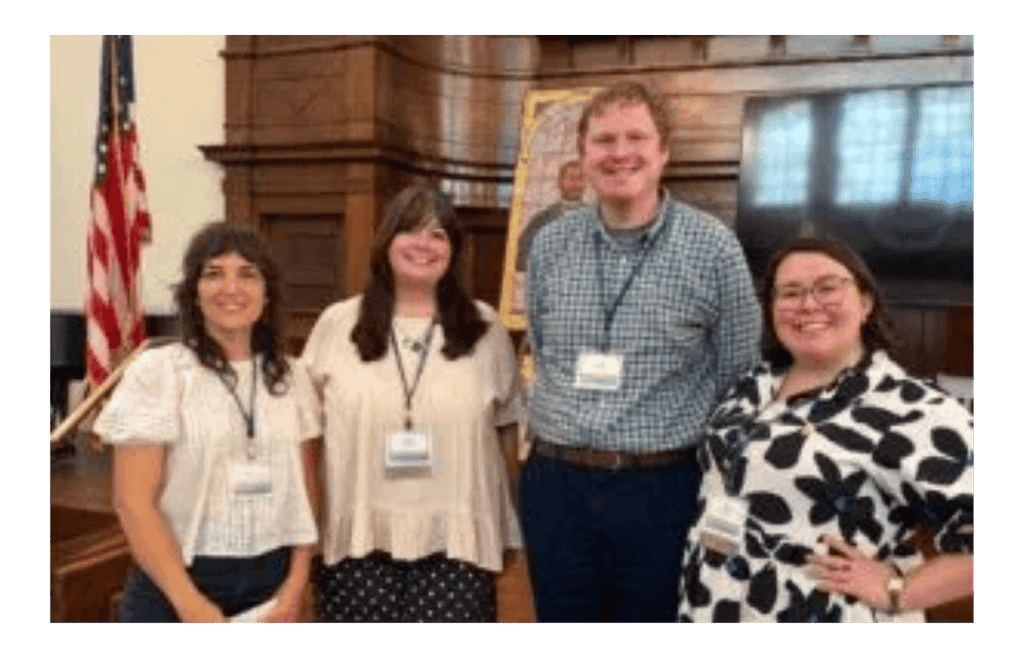
At the Ohio Community Development Corporation Association (OCDCA) Annual Conference, I explored these connections through a session on place-based celebration and a co-led arts tour across Southeastern Ohio. Both experiences reinforced an important idea: sustainable Appalachian development starts with understanding what makes each community unique and creating opportunities for those strengths to flourish.
The Art of Celebration: Building Belonging Through Festivals
During the session Place-Based Celebration: Using Festivals to Build Belonging, Tourism, and Local Pride, I joined Sarah Brown of Nelsonville Music Festival, Tyler McDaniel of Littles Cities of Black Diamonds, and Sarah Arnold of Clutch Collective to discuss how festivals and community gatherings support placemaking and local pride.
At the Southeastern Ohio History Center, we explored how communities across Appalachian Ohio use celebration to activate downtowns, support small businesses, encourage volunteerism, and strengthen civic connections.
Festivals are more than calendar events. They bring residents together, celebrate local identity, and invite visitors to experience what makes a community special. Whether it is a music festival rooted in regional culture, a downtown market showcasing local makers, or an event celebrating a community’s industrial heritage, successful place-based celebration reflects local identity while creating opportunities for connection and growth.
The goal isn’t to replicate another community’s success, but to create experiences that resonate locally and deliver lasting benefits.
Seeing Appalachian Ohio Through an Arts Lens
I carried that same philosophy into the arts tour I co-led during the conference, highlighting the artists, cultural organizations, and creative spaces that contribute to Southeastern Ohio’s vitality.
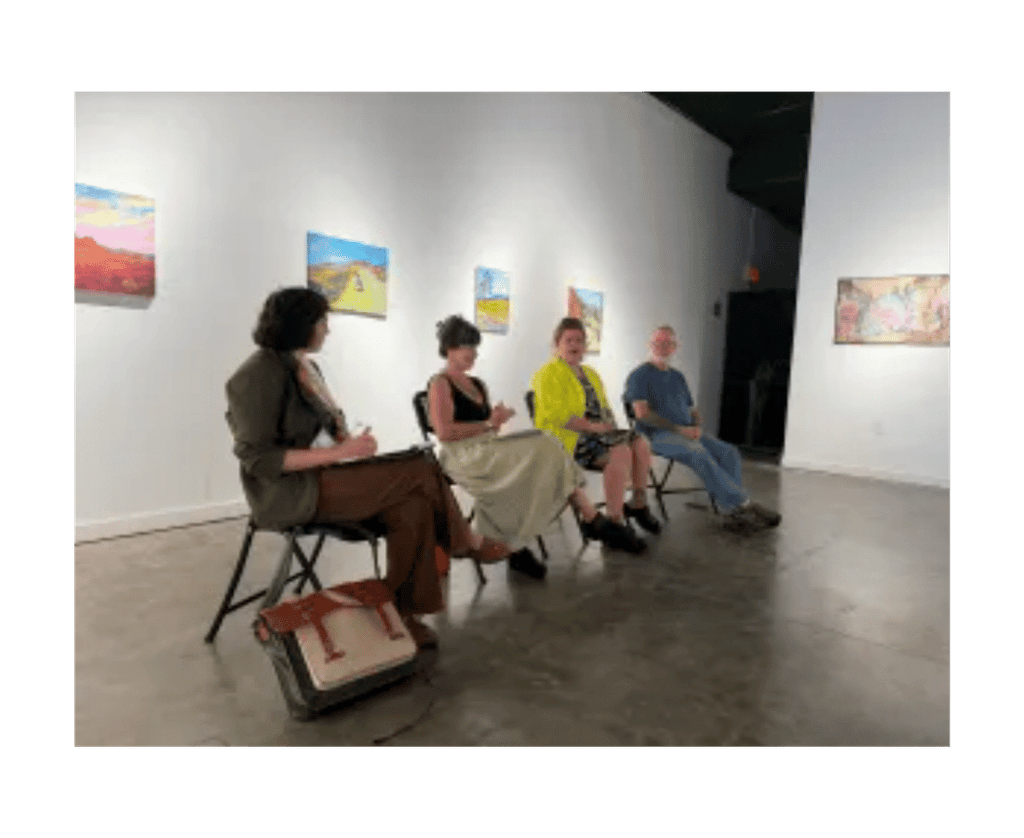
At Majestic Gallery, we hosted a panel featuring working artists and creative entrepreneurs, including author Michael Thomas Ford, traditional practitioner Talcon Quinn, and small business owner and curator Hannah Morgan. Their perspectives offered a closer look at the diverse ways people sustain creative practices, share cultural knowledge, and build opportunities around the arts in rural communities.
The tour continued at the historic Stuart’s Opera House, where we learned about the venue’s history and its Afterschool Music Program (AMP). The program shows how arts organizations can extend their impact beyond performances by creating opportunities for young people to develop musical skills, explore their creativity, and connect with their community.
Together, these stops illustrated how the arts contribute to community life across generations. From independent artists and creative businesses to historic venues and youth programming, arts and culture preserve local stories, create opportunities for connection, and help make rural communities places where creativity can thrive.
Turning Local Ideas Into Lasting Impact
Both experiences highlighted the value of an asset-based approach to community development. Rather than letting challenges define a community’s story, this perspective starts with what residents value, what already works, and where local ideas can lead.
For community development practitioners, that means listening to residents, supporting existing initiatives, and connecting local priorities with the partnerships and resources needed to move them forward. It also means recognizing that development looks different from one community to the next. The goal is not uniformity, but progress that reflects local aspirations.
Celebrating the Future of Appalachian Development
The OCDCA Annual Conference offered a valuable opportunity to exchange ideas, learn from practitioners across Ohio, and spotlight the innovative work happening throughout Appalachian Ohio.
The takeaway for community leaders and development practitioners is simple: look beyond a community’s challenges to recognize the possibilities already taking shape. Whether through a local festival, an arts initiative, or a grassroots organization, meaningful development often begins with listening to residents and helping their ideas grow.
Appalachian development is not just about solving problems. It celebrates possibility and builds a stronger future rooted in the culture, creativity, and community that make our region extraordinary.