
February 3, 2026

ReImagine Appalachia celebrates Black History Month. This year, in the spirit of ongoing legislative sessions, we’re shining a spotlight on Elizabeth Simpson Drewry, the first Black woman to be elected to the West Virginia State Legislature in 1951. During her time in the legislature, she successfully sponsored a bill to allow women to serve on West Virginia Juries, and chaired the state’s Military Affairs and Health Committees. But those accomplishments are well known. This year, however, ReImagine did a deep dive into old newspapers to unearth the story of how Drewry resisted a tremendous financial pressure campaign to undermine workers’ rights.
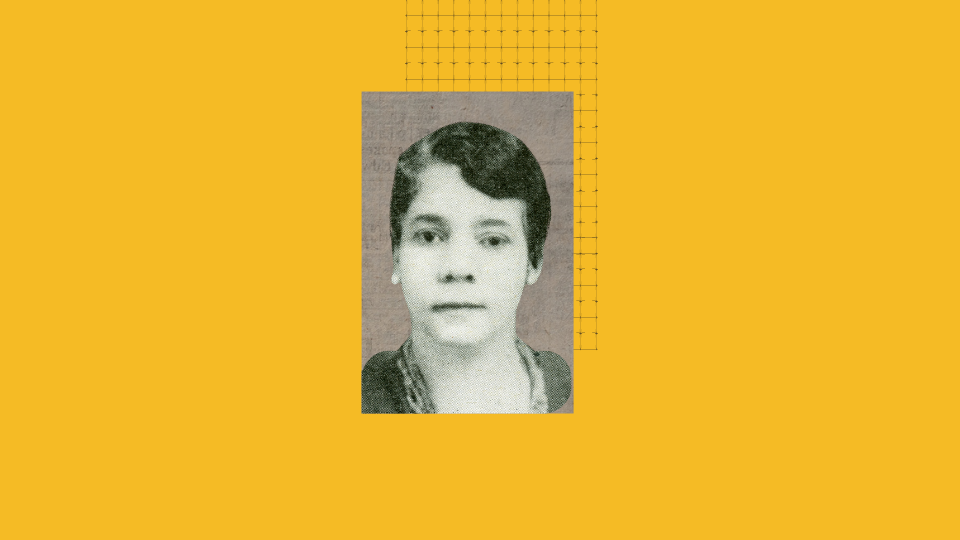
In 1951, in her first year as a state legislator for McDowell County someone approached Drewry with a bribe

Dr. I.J.K Wells, who is listed in a 1951 edition of the Chicago Defender as the state’s “Superintendent of Negro Schools,” offered Drewry $1,000 (around $12,500 in 2026 dollars) and an all-expenses paid trip to Europe in exchange for her support of Senate Bill N. 105, also known as the “fire-boss bill”. The fire-boss bill amended the state’s constitution to give mine operators control over mine safety inspections. In other words, mine operators would no longer have to respond to the safety concerns of state inspectors, a fact that could put miners in serious danger. The “fire-bosses” were mining company employees who conducted safety checks before new teams of workers went underground. But mine operators were notoriously negligent when it came to worker safety, and the United Mine Workers labor union strongly opposed the fire-boss bill. The bill was signed into law on February 22, 1951, but not before Drewry and others had accused Dr. Wells of floating financial propositions to convince her to vote for it.
Dr. Wells’s motives
According to a 1951 edition of the New Pittsburgh Courier, Dr. Wells denied the accusations, saying “I don’t recall having made the suggestion…” “And If I did, it was done facetiously.” Dr. Well’s stated support for the fire-boss bill stemmed from a desire to help Black miners. He claimed that Black representation in West Virginia’s mining industry had decreased by 5,000 workers in that past ten years, and he blamed labor unions for the alleged decline. However, reports suggest that mining companies were pulling out all the stops to secure the passage of the bill, and it is not unreasonable to suspect that they put up financial incentives to help win Wells’s support. An associate of Drewry’s later testified that she told him: “Thousand dollar bills are floating around here like snowflakes.”
According to a 1951 article in the Chicago Defender, the chairman of the unnamed West Virginia house committee responsible for investigating Drewry’s bribery accusations stated that Dr. Wells spent considerable time lobbying for the fire-boss bill, and comparatively little time lobbying for education legislation, which would have been more appropriate given his official position. In either case, charges against Dr. Wells were dropped because the committee failed to offer any recommendations to respond to the bribery claims in its report before the end of the legislative session.
A friend of the workers
What became of Dr. Wells after this is unclear, but the dispute solidified Elizabeth Simpson Drewry’s reputation as a friend of workers and strengthened her support among miners and labor unions. Resisting tremendous financial incentives, Drewry put worker safety first.